Automation systems, electrical systems


AI in industrial automation paves the way for smart manufacturing
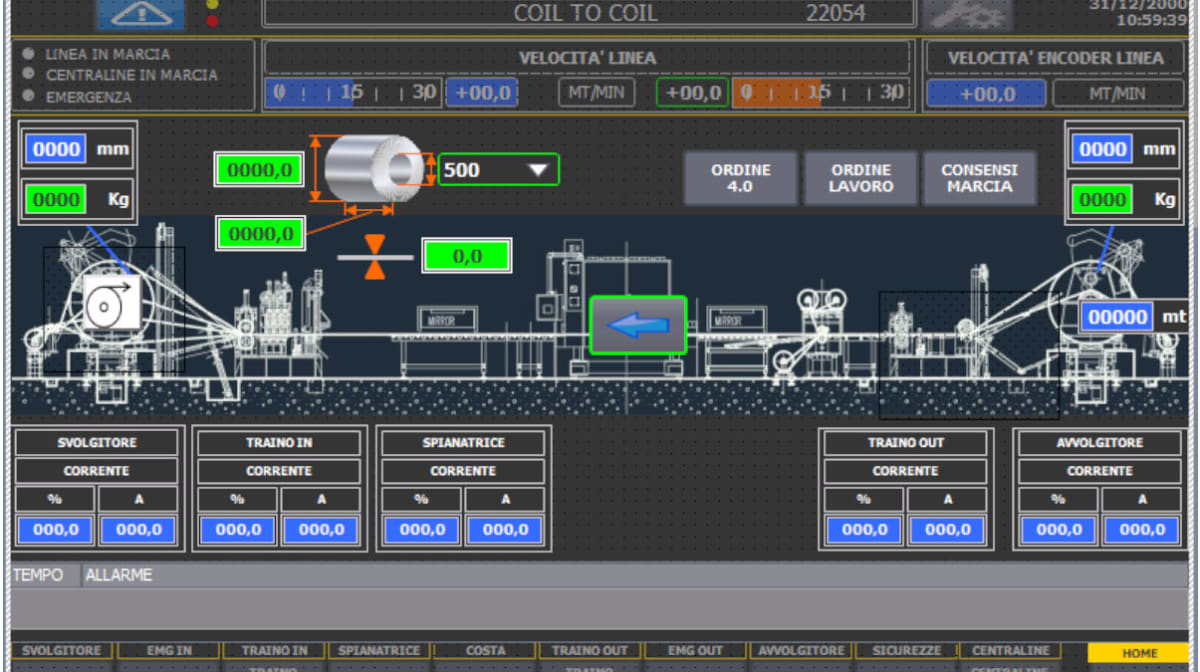
In recent years, discussions about artificial intelligence have often shifted between futuristic visions and theoretical scenarios. Yet in industrial automation, AI is already a tangible reality. We explored this topic with the experts at SEI Srl, a company specializing in automation and control solutions for industry. Will AI replace traditional automation, or will it serve as an enabling technology that enhances it?
From automatic to intelligent control
In conventional automated systems, parameters such as cycle times, thresholds, and safety logic are defined statically. Artificial intelligence introduces a new level of adaptability, enabling systems to respond dynamically to real operating conditions.
By leveraging predictive models and machine learning algorithms, AI applied to industrial processes can:
- detect anomalies in process data before they cause downtime;
- automatically optimize line parameters based on environmental or load variations;
- enhance predictive maintenance by anticipating failures in motors, pumps, and actuators;
- reduce energy consumption through adaptive control strategies.
All this is achieved without altering the PLC architecture or existing control logic—AI simply adds a higher layer of intelligence to the supervision system.

The SEI approach: AI as a tool, not an end
For SEI Srl, artificial intelligence is not an end in and of itself but a means to achieve better performance. The company develops tailored solutions that combine decades of expertise in industrial automation with the potential of AI technologies, always maintaining a pragmatic, results-oriented approach.
“The goal is twofold: to increase system efficiency and lifespan while ensuring the predictability and robustness typical of traditional industrial solutions,” explains Serafino Castelnuovo, company owner. “Each project is assessed based on the real added value that AI can bring to the customer’s production process.”
Toward more intelligent manufacturing
The line between automation and intelligence is becoming increasingly blurred. In the near future, we can expect machines capable of self-optimizing production cycles, SCADA systems with predictive capabilities, and algorithms that learn from process data to support decision-making.
SEI Srl stands ready to guide companies along this path toward smart manufacturing—transforming artificial intelligence from an abstract idea into a measurable competitive advantage. To learn more, contact the company’s team through the references provided.
