Wire processing machines


The different levels of industrialization in prefabrication
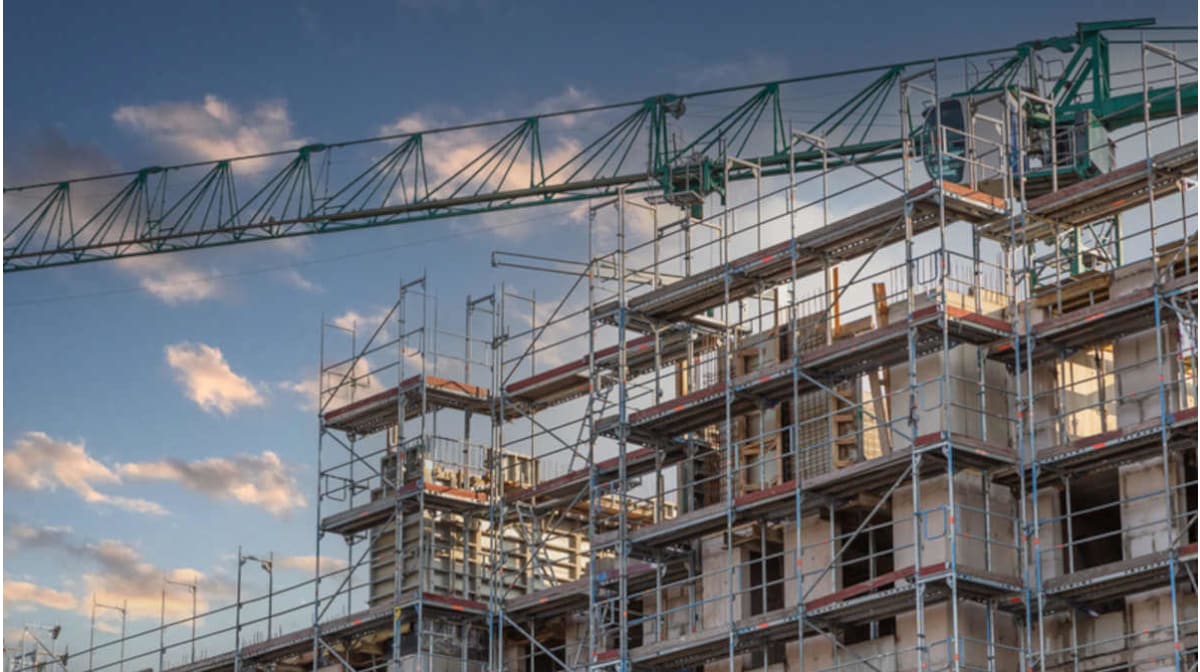
In the construction industry, the level of industrialization is a key factor affecting the efficiency, speed, and quality of the construction process.
There are different levels of factory integration of on-site processing, from the more traditional method to building with 3D modular systems. Moving more and more production steps from the site to the factory brings many benefits and innovations.
1. Traditional on-site construction: the starting point
This system is the first combination of on-site and off-site construction.
The basic level of industrialization consists of traditional on-site construction, where all structural parts - such as columns, beams, and floors - are made directly on-site.
This approach is labor-intensive, time-consuming, and highly dependent on weather conditions, limiting quality control of the finished product.

2. Isostatic and hyperstatic systems: the use of prefabricated columns, beams and slabs
By introducing elements such as prefabricated piers, beams, and slabs, the isostatic, and hyperstatic system is achieved. The components are produced in the factory and then assembled on-site.
This system already offers concrete advantages:
• It reduces construction time due to parallel production in the factory and assembly on the construction site.
• It allows greater control over the quality of the prefabricated elements.
• It guarantees greater adherence to deadlines, with less dependence on weather conditions.

3. Bearing wall system: the use of 2D prefabricated elements
A further step towards off-site construction is the bearing wall system, which uses prefabricated 2D elements such as walls, panels, and floors.
This method offers greater construction speed and process optimization:
• Work time on site is reduced.
• It increases the accuracy of the precast elements because they are produced in a controlled environment.
The bearing wall system is the ideal solution for projects requiring efficiency and structural solidity but with an intermediate level of prefabrication.

4. Modular 3D construction: the highest level of industrialisation
The last step, the one closest to a completely off-site process, is 3D modular construction.
Self-supporting prefabricated 3D elements are used, such as complete modules of walls, floors and ceilings, ready to be assembled directly on site.
• Construction time is drastically reduced, as much of the work is done in the factory.
• Prefabricated elements are of extremely high quality and precision, with total control over the production process.
• Logistics become more efficient.
• Waste is reduced.
This method optimises each stage of the construction process, eliminating the complexity of on-site work and guaranteeing top-quality results in extremely short timescales.

In the construction industry, a high level of industrialization is the key to increasing efficiency, precision, and sustainability. From the traditional on-site method to modular 3D prefabrication, each step represents a leap towards the future, reducing time, costs, and environmental impact.
With AWM joining the Schnell Group, a company with over 30 years of experience in this market, the company now offers innovative solutions for precasters worldwide. Working together with companies and experts in the industry, we create tailor-made production plants that meet every requirement.
