
Red Sea crisis exposes yet another weak link in global metal supply chains
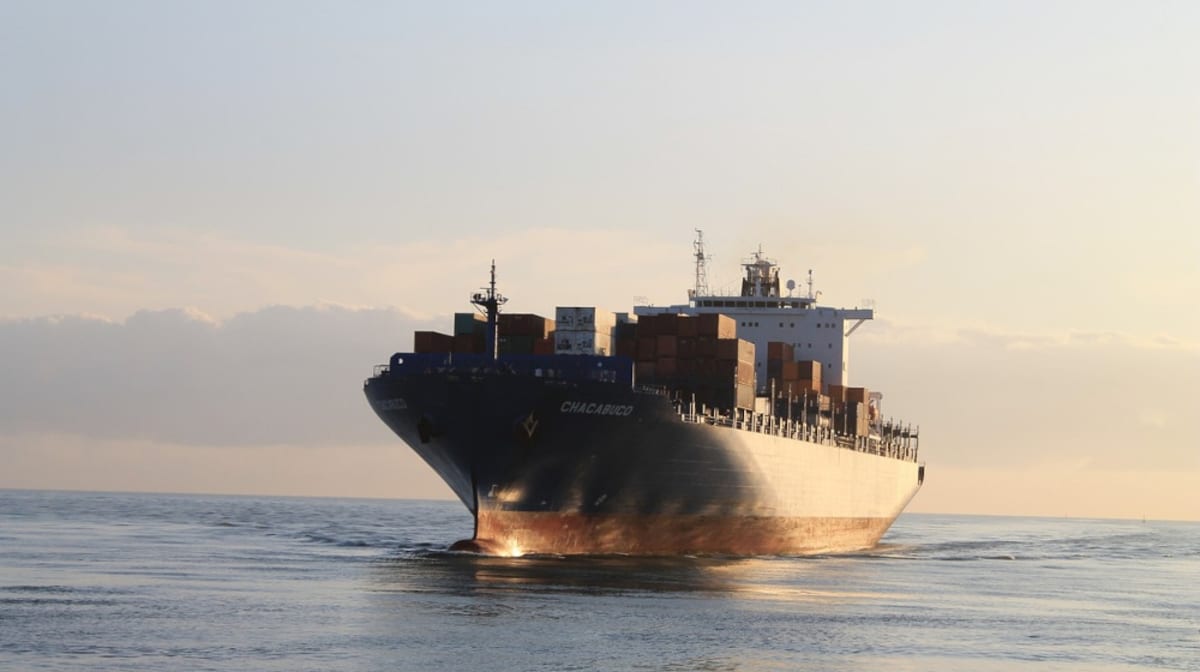
The Red Sea crisis, fueled by escalating tensions and attacks on commercial vessels, has sent shockwaves throughout global trade networks. Its far-reaching implications extend to the metalworking industry, disrupting metal flows and supply chains, and posing unprecedented challenges for the sector as we approach the end of Q1.
What is the Red Sea crisis?
The Red Sea crisis encompasses a series of attacks that started in November 2023 in one of the world's most vital maritime arteries and key routes of the Red Sea ocean: the Suez Canal and the Bab al-Mandab Strait. Stemming from ongoing conflicts, geopolitical rivalries, and security threats in the region, the crisis has resulted in heightened risks for commercial shipping. Attacks by militant groups, including the Houthi rebels in Yemen, piracy incidents, and tensions among local powers have compounded the challenges, leading to increased security concerns and rising costs for freight transportation.
Navigating turbulent waters in the steel sector
The steel sector emerges as a focal point of the Red Sea shipping crisis, with water routes disrupted and shipping costs soaring. In recent months, these episodes have significantly impeded the stream of essential metals, such as steel and aluminum, into Europe. Industry data reveals a substantial slowdown in the flow of these critical materials through the Suez Canal, resulting in extended lead times and logistical hurdles. Specifically, transit times from key production hubs in Asia to Europe have surged, with estimates indicating a rise from 23 to 34 days, S&P Global reports. This slowdown translates to a staggering reduction in metal flow, amounting to approximately 775,000 metric tons per month, equivalent to 9.3 million metric tons annually.
The crisis strikes at an incredibly inopportune moment and exacerbates existing challenges in the steel and metal market, such as rising raw material and energy costs, and the EU CBAM implementations.
According to Assofermet (the Italian association of ferrous metals trading and distribution companies), steelmakers from South Korea, Japan, Taiwan, India, and Vietnam used to have a significant export quota to Europe. We are talking about 5 million mt and 1.3 million mt of hot-rolled and cold-rolled coils respectively in the first 11 months of 2023. Asian producers have therefore been forced to recalibrate their export strategies to European markets. The redirection of vessels away from the Suez Canal has led to extended delivery times and logistical bottlenecks, compelling some players to reconsider their market presence. MEPS reports various responses, with some of these steel manufacturers adjusting pricing to mitigate the impact of increased shipping costs.
Uncertainty in the aluminum market
Similar complications permeate the aluminum market, setting the stage for an explosive cocktail of uncertainty. Since the start of the Russia-Ukraine war and the implementation of sanctions against Russia, the EU has been increasingly dependent on the flows of aluminum coming from the Suez Canal. As a consequence, European aluminum end-users find themselves ensnared in a precarious situation, grappling with supply shortages and escalating prices, as the replacement of Russian aluminum with alternatives from the Middle East and India is hindered by the crisis.
Looking ahead
The Red Sea shipping crisis has exposed yet another weak link in the global metalworking supply chains. While the situation is unlikely to improve anytime soon, collaborative efforts, proactive risk management, and agile supply chain strategies become indispensable in mitigating its impact and charting a new course in the face of uncertainty.
You may also be interested in reading:
Assessing the current state of the scrap market >>
Three new trade fairs in Türkiye under the umbrella of Messe Düsseldorf >>
Makers' Movies Vol. 2: the visual journey into the world of metals continues >>
